In the quest for healthier alternatives to refined sugar, the food and beverage industry has turned its focus to nature’s pantry. Among the most promising discoveries is monk fruit extract, a potent, zero-calorie sweetener derived from an ancient vine. This article explores its origin, multifaceted benefits, diverse applications, and what sets it apart in the competitive landscape of natural sweeteners.
I. Source: The "Magic Fruit" from Southern China
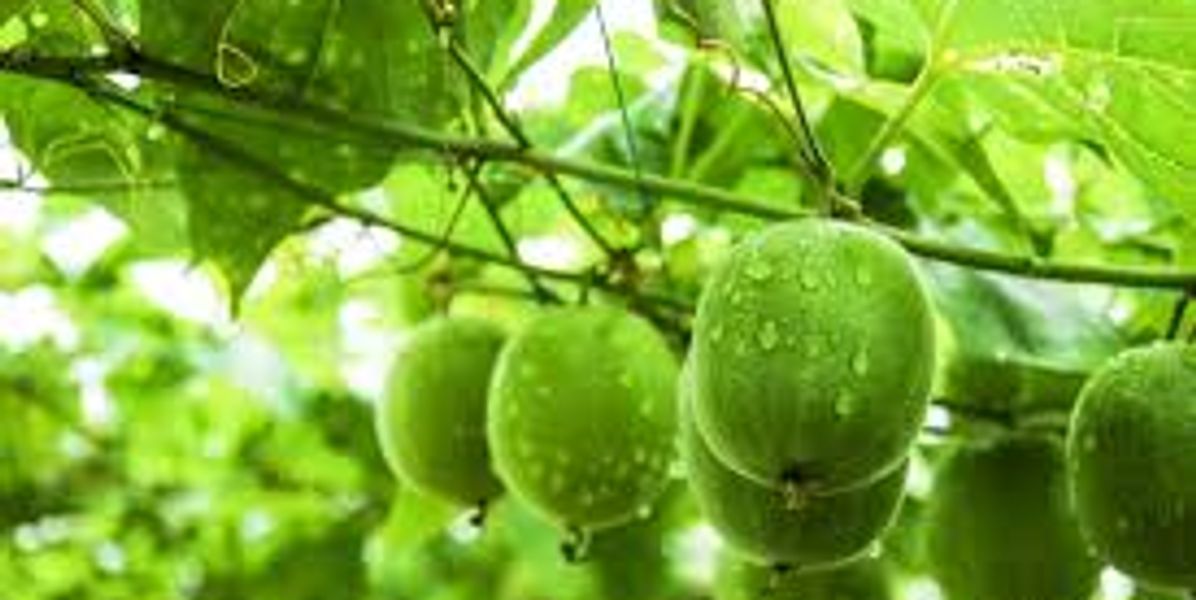
Monk fruit (Siraitia grosvenorii), also known as luo han guo, is a small, round melon native to the mountainous regions of Southern China. Traditionally cultivated for centuries, it earned its name from Buddhist monks who first used it for its medicinal properties. The fruit's sweetness is not due to sugars but to unique, heat-stable compounds called mogrosides. The extract is produced by crushing the fresh fruit, collecting the juice, and removing the water and plant solids, resulting in a concentrated powder or liquid rich in these potent mogrosides.
II. Efficacy and Health Benefits
The primary appeal of monk fruit extract lies in its impressive health profile:
· Zero Calories and Zero Glycemic Impact: It does not raise blood sugar or insulin levels, making it an excellent sweetening option for diabetics and those managing weight or metabolic health.
· Intense Sweetness: Mogrosides are 150 to 250 times sweeter than sucrose, meaning only tiny amounts are needed.
· Antioxidant Properties: Mogrosides, particularly Mogroside V, are also powerful antioxidants, helping to combat oxidative stress and inflammation in the body.
· Clean Taste: Unlike some sweeteners, high-purity monk fruit extract offers a clean, sweet taste with little to no bitter or licorice-like aftertaste.
III. Application Across Industries
Its stability and versatility have driven its adoption across multiple sectors:
· Food & Beverage: Widely used in sugar-free and "diet" products like soft drinks, iced teas, juices, flavored waters, dairy alternatives, and desserts.
· Nutritional Supplements: Added to protein powders, meal replacement shakes, and vitamin gummies to improve palatability without adding sugar.
· Pharmaceuticals: Used as a flavor enhancer in syrups and lozenges, especially for diabetic-friendly formulations.
· Personal Care: Found in naturally sweetened toothpastes and mouthwashes.
IV. Distinction and Advantages Over Other Natural Sweeteners
Compared to other popular natural sugar substitutes, monk fruit extract holds distinct advantages:
Sweetener Source Calories Sweetness vs. Sugar Key Notes
Monk Fruit Extract Monk Fruit: 150-250x Zero glycemic impact, clean taste, antioxidant benefits.
Stevia Stevia plant leaves: 200-350x Can have a bitter aftertaste (licorice/metallic) for some.
Erythritol Fermented corn/starches ~0.2 kcal/g 0.7x (70% as sweet) Can cause digestive discomfort in large doses; provides bulk.
Allulose Found in small amounts in fruits 0.4 kcal/g 0.7x Has browning properties for baking; limited availability.
Xylitol Birch wood/corn cobs 2.4 kcal/g 1x Toxic to dogs; high intake can cause digestive issues.
Key Advantages of Monk Fruit Extract:
1. Superior Taste Profile: It is often praised for having the cleanest, most sugar-like taste among high-intensity natural sweeteners, with minimal undesirable aftertaste.
2. Digestive Friendliness: Unlike sugar alcohols (e.g., erythritol, xylitol), it does not typically cause bloating, gas, or laxative effects, even in sensitive individuals.
3. "Clean-Label" Appeal: As a fruit extract, it is perceived as a simple, recognizable ingredient by consumers, aligning with clean-label trends.
4. Synergistic Blending: It blends exceptionally well with other sweeteners like erythritol or allulose, masking their minor aftertastes while reducing the total amount of sugar alcohols needed, creating a more balanced and pleasant sweetness in final products.
Conclusion
Monk fruit extract stands out as a remarkable gift from nature, offering intense sweetness without the metabolic downsides of sugar. Its clean taste, digestive tolerance, and versatile applications make it a frontrunner in the natural sweetener revolution. As consumer demand for healthier, transparent ingredients continues to grow, the humble monk fruit is poised to play an increasingly central role in shaping the future of sweet foods and beverages worldwide.