Dihydroquercetin (DHQ), also known as taxifolin, is a potent bioactive flavonoid gaining significant traction in scientific research and various industries. Renowned for its exceptional antioxidant and anti-inflammatory properties, its applications span from advanced pharmaceutical formulations and premium nutraceuticals to functional foods and cutting-edge cosmetics. This article provides a comprehensive overview of DHQ's mechanisms of action, its proven and potential health benefits, and its diverse commercial applications.
1. Introduction: Nature's Potent Antioxidant
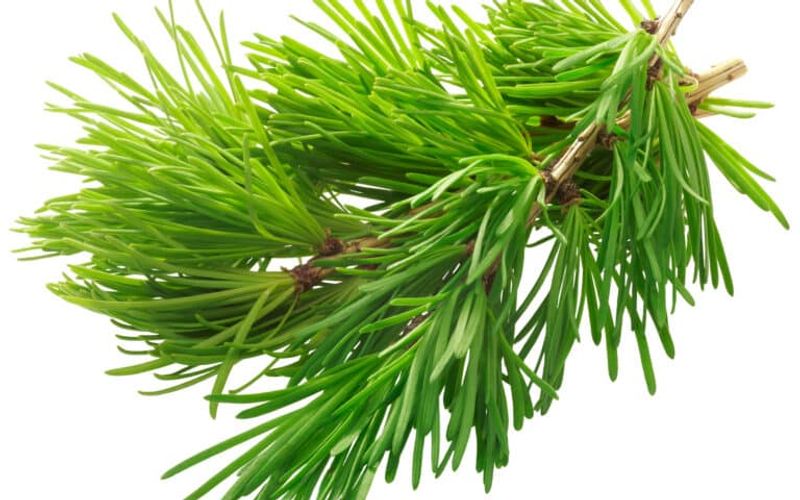
Dihydroquercetin is a flavanonol, a type of flavonoid naturally present in the bark of the Siberian larch (Larix sibirica), onions, grapes, and certain citrus fruits. Unlike common antioxidants, DHQ possesses a unique molecular structure that grants it superior free-radical scavenging ability and remarkable stability. It is often compared to quercetin but is distinguished by its higher bioavailability and a specific saturated bond in its C-ring, which contributes to its distinct biological activity. This combination of power and bioavailability makes it a compound of exceptional interest for health promotion and disease prevention.
2. Core Pharmacological Effects and Mechanisms
The wide-ranging benefits of DHQ are anchored in its fundamental biological actions:
· Potent Antioxidant Activity: DHQ is a powerful direct scavenger of reactive oxygen species (ROS) and reactive nitrogen species (RNS). More importantly, it upregulates the body's endogenous antioxidant defense system, including key enzymes like superoxide dismutase (SOD) and glutathione peroxidase. This dual action makes it exceptionally effective at reducing oxidative stress, a root cause of cellular aging and numerous chronic diseases.
· Synergistic Anti-inflammatory Action: By modulating crucial signaling pathways such as NF-κB and MAPK, DHQ significantly reduces the production of pro-inflammatory cytokines (e.g., TNF-α, IL-6). This mechanism works in tandem with its antioxidant effect, as oxidative stress and inflammation are closely linked in a vicious cycle.
· Vascular and Cardioprotective Effects: DHQ strengthens capillaries and reduces their permeability, improving microcirculation. It also demonstrates anti-atherosclerotic potential by protecting low-density lipoprotein (LDL) cholesterol from oxidation—a critical step in plaque formation—and may support healthy blood pressure levels.
· Metabolic and Hepatoprotective Support: Research indicates DHQ can improve insulin sensitivity and lipid metabolism. It also offers gastrointestinal and hepatic protection by safeguarding liver cells from toxin-induced damage and reducing fatty deposits, showcasing its role in metabolic syndrome management.
3. Key Application Areas and Uses
Based on its pharmacological profile, DHQ is utilized across several forward-looking fields:
· Pharmaceuticals & Nutraceuticals:
· Cardiovascular Health: Formulations aimed at supporting circulation, capillary strength, and overall heart health.
· Metabolic Support: Products designed for blood sugar regulation, liver detoxification, and managing metabolic syndrome components.
· Anti-Aging and Neuroprotection: Supplements targeting cognitive function, memory, and protection against neurodegenerative decline.
· Immune Support: Leveraging its anti-inflammatory action to support balanced immune response.
· Functional Foods and Beverages: Incorporated into sports nutrition products for enhanced recovery, energy drinks for reduced oxidative stress, and health-focused foods to increase their antioxidant capacity.
· Cosmeceuticals and Skincare: A premium ingredient in anti-aging serums, creams, and sunscreens. Its ability to protect skin cells from UV-induced oxidative damage and inhibit collagen-degrading enzymes helps reduce wrinkles and promote skin elasticity.
· Sports Nutrition: Used to mitigate exercise-induced oxidative stress, reduce muscle inflammation, accelerate recovery, and improve endurance performance among athletes.
4. Safety, Dosage, and Future Perspectives
DHQ is generally recognized as safe (GRAS) with a high tolerance profile. Typical supplemental dosages in human studies range from 50 mg to 500 mg daily, though optimal dosage can vary based on application and formulation. It is well-tolerated, with no significant adverse effects reported at standard doses.
The future of DHQ is promising, with research expanding into areas like anti-cancer adjuvant therapy due to its pro-apoptotic effects on certain cancer cells, and advanced nanotechnology-based delivery systems to further enhance its bioavailability and targeted action. As clinical evidence in humans continues to accumulate, DHQ is poised to solidify its role as a cornerstone ingredient in preventive health and integrative medicine.
5. Conclusion
Dihydroquercetin stands out as a versatile and powerful natural compound. Its robust antioxidant and anti-inflammatory foundation translates into tangible benefits for cardiovascular, metabolic, hepatic, and neurological health. From stabilizing shelf-life in products to stabilizing human health at the cellular level, DHQ's journey from Siberian larch forests to modern laboratories encapsulates the potential of bioflavonoids in shaping the future of health, wellness, and scientific innovation.