Dihydroquercetin (DHQ, taxifolin), a potent bioactive flavonoid, is emerging as a highly effective and natural alternative to synthetic food preservatives. Its exceptional antioxidant and antimicrobial properties directly address the primary causes of food spoilage—oxidative rancidity and microbial growth. This article reviews the science behind DHQ's preservative action, its specific applications across various food matrices, and its advantages in meeting the growing consumer demand for clean-label, safe, and high-quality food products.
The Need for Natural Preservation
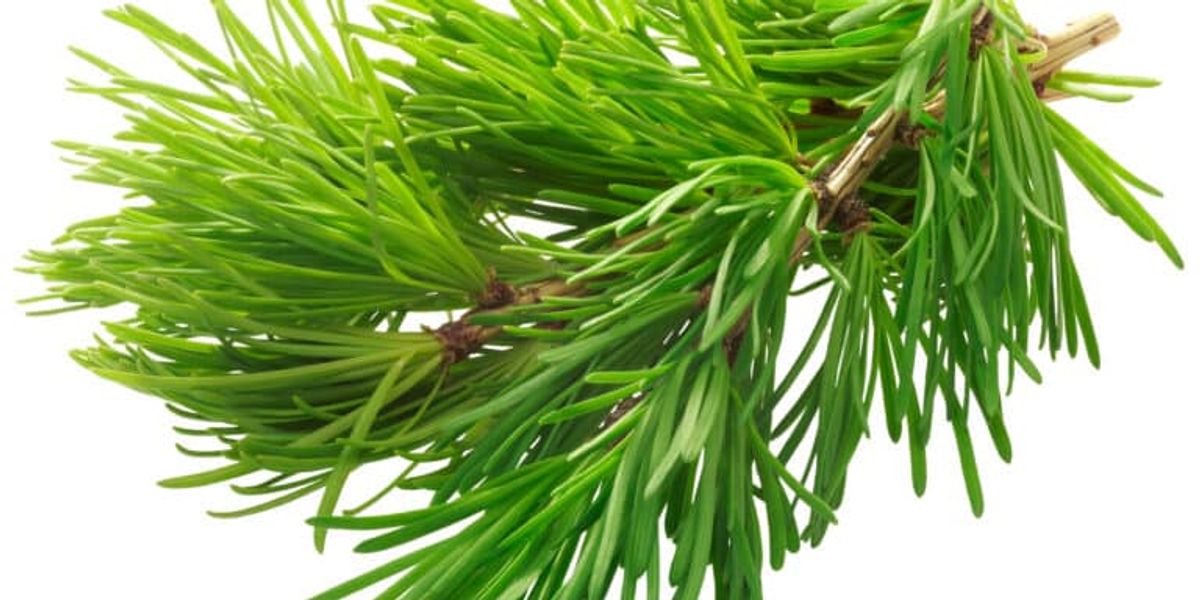
The global food industry faces constant challenges in extending shelf life while maintaining safety, nutritional value, and sensory qualities. Synthetic preservatives like butylated hydroxyanisole (BHA) and butylated hydroxytoluene (BHT) have raised health concerns among consumers, driving demand for natural alternatives. Dihydroquercetin, derived from sources such as Siberian larch (Larix sibirica) or Douglas fir bark, presents a compelling solution. It is a "Generally Recognized as Safe" (GRAS) compound with a multifunctional profile that targets the key deterioration pathways in foods.
Mechanisms of Action: A Dual Defense Strategy
DHQ functions as a preservative through two synergistic primary mechanisms:
· Potent Antioxidant Activity:
· Direct Free Radical Scavenging: DHQ's phenolic structure efficiently donates hydrogen atoms to neutralize free radicals (ROS), halting the chain reaction of lipid peroxidation in fats and oils.
· Metal Chelation: It binds to pro-oxidant metal ions (e.g., Fe²⁺, Cu²⁺), which are catalysts for oxidation reactions, thereby deactivating them.
· Enzyme Inhibition: It can inhibit pro-oxidative enzymes like lipoxygenase, further slowing down degradation.
· Broad-Spectrum Antimicrobial Activity:
· DHQ disrupts microbial cell membranes, leading to leakage of cellular contents.
· It interferes with critical microbial metabolic pathways and enzyme functions.
· Studies show efficacy against a range of foodborne bacteria (e.g., certain strains of E. coli, S. aureus, L. monocytogenes) and fungi.
Advantages Over Synthetic Preservatives
· Natural Origin & Clean Label: Sourced from plants, it aligns with "natural" and "clean-label" product trends, enhancing consumer acceptance.
· Multifunctionality: Provides both antioxidant and antimicrobial effects in a single ingredient, potentially simplifying formulations.
· High Safety Profile: Extensive research supports its non-toxic nature at usage levels, with additional potential health benefits.
· Synergistic Effects: DHQ often works better when combined with other natural preservatives (e.g., vitamin C, rosemary extract) or mild technologies (e.g., modified atmosphere packaging), allowing for reduced usage levels.
Application Areas in the Food Industry
DHQ's stability and efficacy make it suitable for diverse food systems:
· Meat and Poultry Products:
· Application: Added to fresh or processed meats (patties, sausages). · Effect: Markedly inhibits lipid oxidation, preserving color (myoglobin stability), and delaying the development of off-flavors and odors. Research indicates it can extend the shelf-life of raw meat by several days under refrigeration.
· Oils, Fats, and Fried Foods:
· Application: Incorporated into cooking oils, margarine, snacks, and ready-to-eat meals.
· Effect: Greatly improves the oxidative stability of polyunsaturated fats during storage and high-temperature frying, reducing the formation of harmful compounds like polar compounds and acrylamide.
· Bakery and Confectionery:
· Application: Used in products rich in fats, such as biscuits, crackers, and nuts.
· Effect: Prevents rancidity, maintaining freshness and palatability over extended storage periods.
· Beverages:
· Application: Added to fruit juices, dairy drinks, and functional beverages.
· Effect: Protects sensitive vitamins, pigments (e.g., anthocyanins), and flavors from oxidative degradation while potentially inhibiting spoilage microbes.
· Functional and Fortified Foods: DHQ not only preserves the food but may also add a functional "antioxidant boost" to the product itself, appealing to health-conscious markets.
Current Research and Future Perspectives
Current applied research is highly promising. For instance, a 2022 study in the Journal of Food Science demonstrated that a chitosan-based edible coating containing DHQ significantly reduced microbial growth and lipid oxidation in fresh beef, extending its shelf life by over 50% compared to untreated samples. Another study on soybean oil showed DHQ's antioxidant efficacy was superior to BHT at equivalent concentrations during accelerated storage tests.Future development focuses on:
1. Optimizing Delivery Systems: Encapsulating DHQ in liposomes or biopolymer nanoparticles to enhance its dispersion, stability, and controlled release in complex food matrices.
2. Regulatory Expansion: Pursuing broader regulatory approvals and establishing standardized usage levels for different food categories globally.
3. Synergistic Formulations: Systematically developing proprietary blends with other natural agents (e.g., nisin, plant extracts) for targeted preservation in specific products like prepared salads or seafood.
Conclusion
Dihydroquercetin stands at the forefront of the natural preservation revolution. Its science-backed, dual-action mechanism effectively combats the major spoilage pathways, offering a safe, multifunctional, and label-friendly solution. As food manufacturers strive to meet consumer demands for fewer synthetic additives without compromising safety or quality, DHQ is poised to become an indispensable tool for developing the next generation of stable, fresh-tasting, and wholesome food products. Its role transcends mere preservation, contributing to the creation of foods that are both longer-lasting and inherently healthier.