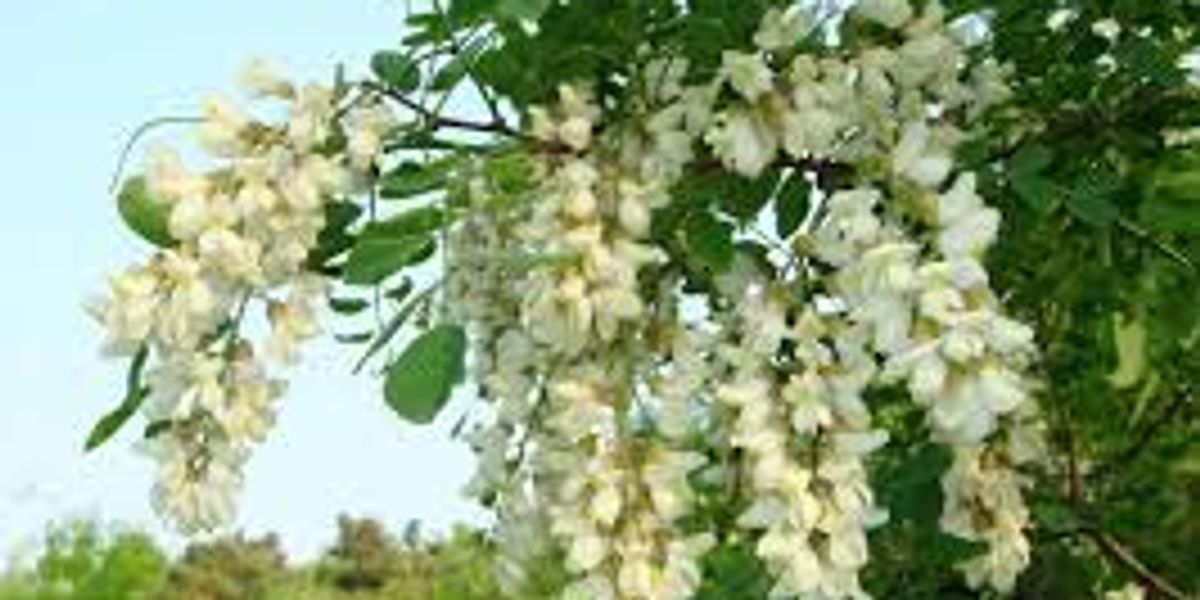
Rutin (vitamin P) is a natural flavonoid glycoside widely used in feed production, mainly acting as a feed additive with antioxidant, immunity-enhancing and stress-alleviating effects, applicable to livestock, poultry and aquatic animals.
Core Application Effects & Mechanisms
1. Antioxidant protection
Scavenge free radicals in animal bodies, reduce oxidative damage to cells and tissues, protect the structure and function of the liver, intestines and other organs, and slow down the oxidative deterioration of feed nutrients (e.g., unsaturated fatty acids, vitamins) during storage and digestion.
2. Immunity enhancement
Regulate the activity of immune cells (lymphocytes, macrophages), promote the secretion of cytokines and antibodies, improve the body's non-specific and specific immunity, and reduce the incidence of bacterial/viral diseases in animals.
3. Stress resistance improvement
Alleviate various stress responses of animals (heat stress, transport stress, weaning stress, breeding stress), reduce the decline of feed intake, growth retardation and reproductive performance reduction caused by stress, and stabilize production performance.
4. Growth promotion & production improvement
Optimize intestinal microecological balance, improve intestinal barrier function and nutrient digestibility (protein, carbohydrate), promote animal growth and weight gain; for laying hens, dairy cows and other productive animals, it can increase egg production rate, milk yield and improve product quality (e.g., egg yolk color, milk nutritional components).
5. Auxiliary detoxification & liver protection
Chelate heavy metal ions in the body, reduce their toxic accumulation, and protect the liver's detoxification and metabolic functions, which is suitable for breeding environments with potential heavy metal pollution.
Application Scope & Dosage
- Livestock: Pigs (especially weaned piglets, finishing pigs), cattle, sheep; recommended addition amount is 50~200 mg/kg of feed.
- Poultry: Broilers, layers, meat ducks; recommended addition amount is 30~150 mg/kg of feed (higher dosage for heat stress periods).
- Aquatic animals: Fish (tilapia, grass carp), shrimp, crab; recommended addition amount is 100~300 mg/kg of feed, which can also improve anti-hypoxia and disease resistance.
Practical Advantages & Notes Advantages
- Natural and safe: Extracted from buckwheat, sophora japonica, citrus and other plant raw materials, no drug residue, no resistance, in line with the development trend of green feed.
- Synergistic effect: Can be used with vitamin C, vitamin E, selenium and other antioxidants, as well as probiotics, plant essential oils, to enhance the overall effect.
- Low cost: The extraction process is mature, and the addition dosage is low, with high cost performance in large-scale breeding.
Notes
- Rutin has poor water solubility; it is recommended to use microencapsulation, nanosuspension and other processes to improve its bioavailability in feed.
- Avoid high-temperature processing (above 120℃) during feed pelleting, which will cause partial decomposition and loss; it can be added in the post-pelleting stage or as a water-soluble additive for drinking water.
- The dosage should be controlled to avoid excessive addition (more than 500 mg/kg) which may lead to slight reduction of feed intake in individual animals. Development Trend With the prohibition of antibiotics in feed and the increasing demand for green breeding, rutin, as a natural plant extract additive, is being developed in the direction of high-purity preparation, targeted modification (improving solubility and targeting) and compound formula (customized for different animal species and breeding stages), and its application scale in the feed industry is continuously expanding.