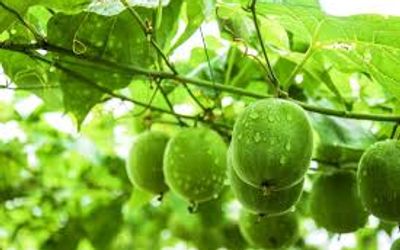
Monk Fruit Extract: A Natural Sweetener for the Modern World
In the quest for healthier alternatives to refined sugar, the food and beverage industry has turned its focus to nature’s pantry. Among the most promising discoveries is monk fruit extract, a potent, zero-calorie sweetener derived from an ancient vine. This article explores its origin, multifaceted benefits, diverse applications, and what sets it apart in the competitive landscape of natural sweeteners. I. Source: The "Magic Fruit" from Southern China Monk fruit (Siraitia grosvenorii), also known as luo han guo, is a small, round melon native to the mountainous regions of Southern China. Traditionally cultivated for centuries, it earned its name from Buddhist monks who first used it for its medicinal properties. The fruit's sweetness is not due to sugars but to unique, heat-stable compounds called mogrosides. The extract is produced by crushing the fresh fruit, collecting the juice, and removing the water and plant solids, resulting in a concentrated powder or liquid rich in these potent mogrosides.